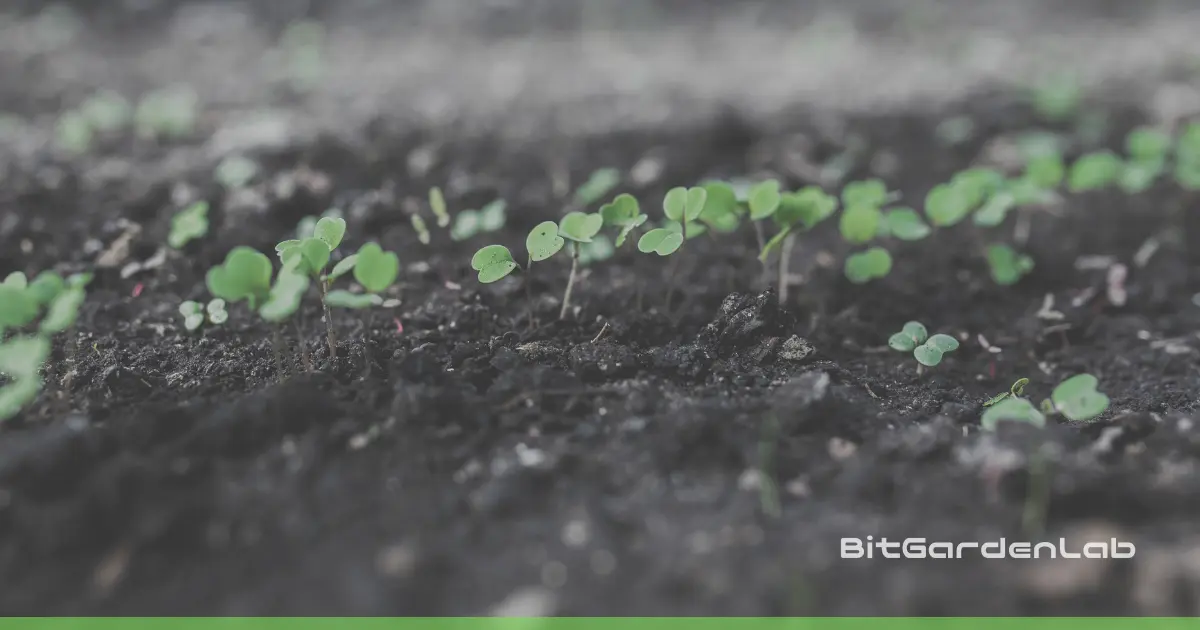
I planted sweet potatoes again this year.
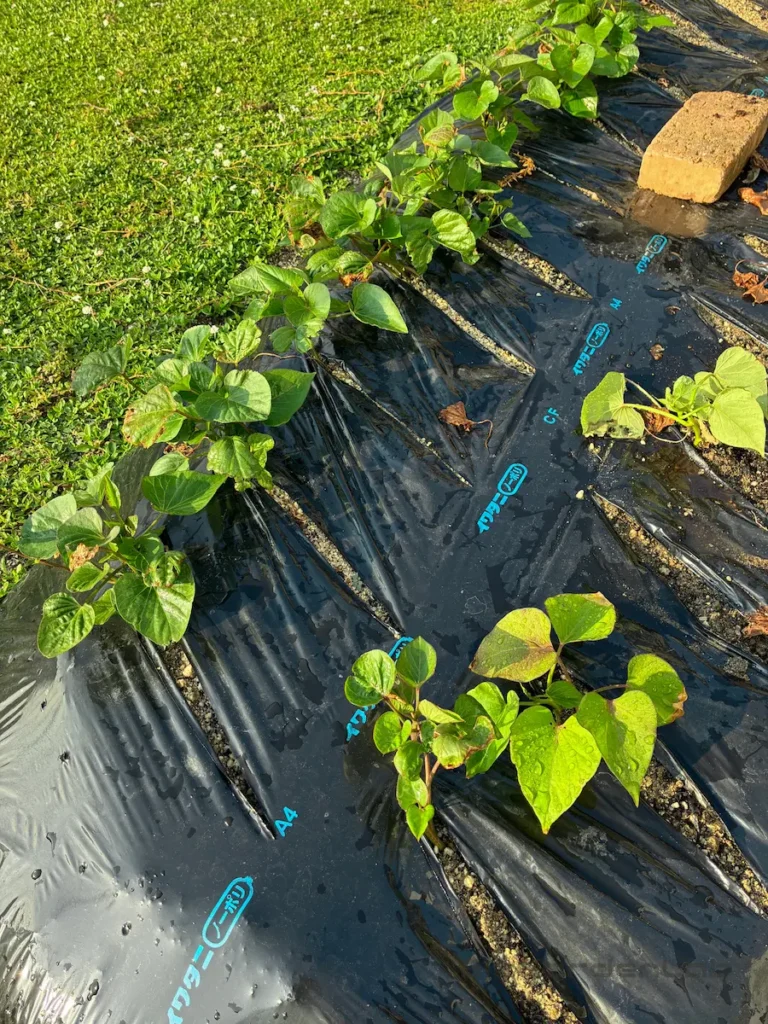
I’ve grown many kinds of vegetables in my home garden, but sweet potatoes are by far the crop I put the least effort into.
They are simply incredibly tough.
Even if the leaves start to wilt, they usually recover without any problem, and they stay surprisingly healthy even after several days without rain.
On top of that, they rarely suffer from insect damage.
They are very low-stress to grow without pesticides, which makes them a great choice for beginners as well.
Sweet Potatoes Aren’t Actually That Sweet Right After Harvest
Sweet potatoes taste much better after being stored for a while rather than immediately after harvest.
If you eat them right after digging them up, you may think, “They’re not as sweet as I expected.”
However, if you store them in a dark place for one to two months, the starch gradually turns into sugar, making them much sweeter.
The sweet potatoes I stored last year became incredibly delicious after resting for a while.
This Year’s Varieties: Annouimo and Silk Sweet
This year I planted:
- Annouimo
- Silk Sweet
These are the two varieties I’m growing this year.
However, I had the same issue before — Silk Sweet does not establish very well after planting.
Many of the vines simply wither and die soon after transplanting.
Maybe my planting method is wrong, or perhaps the variety itself is a bit delicate.
Low-Maintenance Rating
(Example)
★☆☆☆☆ Needs frequent care
★★★★★ Almost carefree
Initial
★★★★☆
Sweet potatoes are easy even from the soil preparation stage.
Basically, there’s no need to add lime to reduce soil acidity.
In fact, adding too much fertilizer causes the vines and leaves to grow excessively while the potatoes themselves stay small, so I use very little fertilizer.
I only add a small amount of sweet potato fertilizer, along with rice husk charcoal to keep the soil soft and fluffy.
Planting is also a little unusual.
Instead of seeds or potted seedlings like most vegetables, sweet potatoes are planted using vine cuttings sold at home centers.
They usually come in bundles of about ten vines, which are planted sideways into the soil.
It felt very strange at first, but sweet potatoes are such a resilient crop that they still grow surprisingly well even if your planting is a little rough.
Maintenance
★★★★★
Right after planting, I water them until the vines establish roots.
After that, they are almost completely left alone.
I basically do not water them anymore.
Only when there has been no rain for a long time and the leaves start drooping do I give them some water. Otherwise, I leave everything to the rain.
The main maintenance task is something called “vine turning.”
As the vines spread, they try to grow roots outside the garden bed, so I periodically lift and detach them to keep the nutrients focused on the main roots inside the bed.
But honestly, that’s about all the work involved.
Harvest
★★★★★
Harvesting is also very easy — and honestly, a lot of fun.
There’s no need to harvest frequently. You simply dig everything up in autumn.
The weather is much cooler than in summer, so the work itself is more comfortable, and my children enjoy searching through the soil together asking, “Where are they?”
Whenever a large sweet potato suddenly appears from the ground, everyone gets excited.
Among all the vegetables in my home garden, sweet potatoes may offer the strongest sense of a fun seasonal event.

Comment