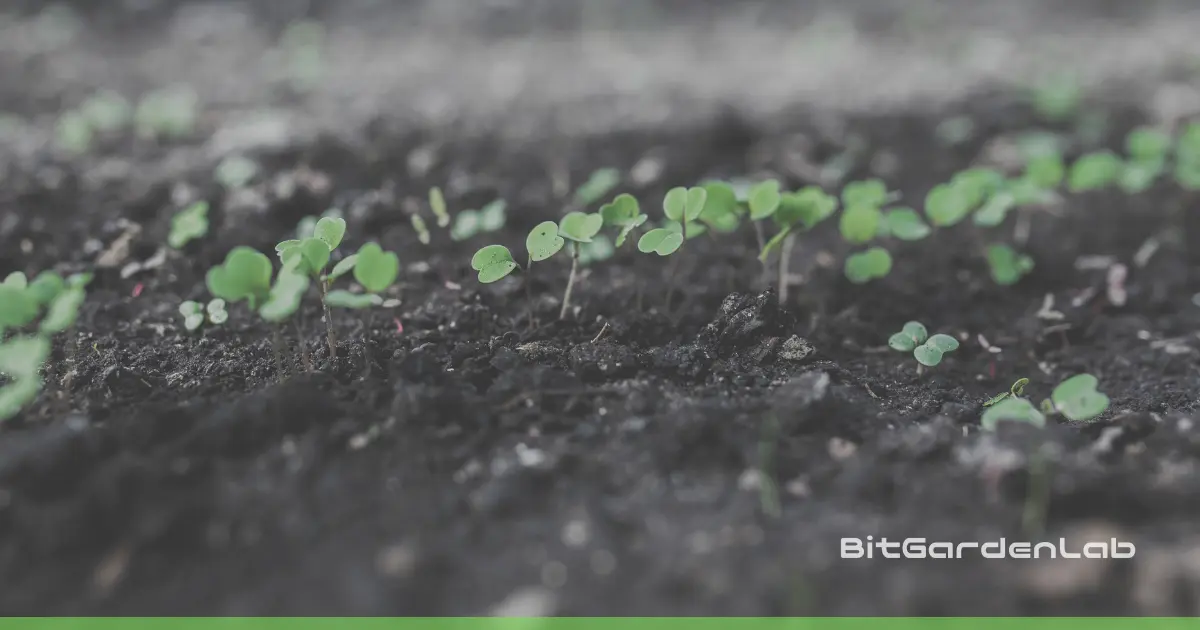
Among our summer vegetables, okra is one that we grow every year without fail.
It can be served as a simple side dish, mixed with natto and grated yam over rice, and is a great vegetable for preventing summer fatigue.
However, newly planted seedlings are highly susceptible to aphids, and they can quickly become weakened if left unprotected.
In this article, I will introduce the method we use to grow okra in our home garden.
- The Battle Against Aphids Begins Right After Planting
- Once Larger, Okra Becomes More Resistant to Pests
- Recently, We Grow Three Plants Together Without Thinning
- Harvest Season Is Busier Than You Might Expect
- Round Okra Is My Recommendation
- Don't Forget Regular Fertilization
- An Essential Vegetable for Summer Meals
- Low-Maintenance Rating
The Battle Against Aphids Begins Right After Planting
Every year, we purchase okra seedlings and plant them in mid to late April.
If they are planted without protection, aphids quickly gather and damage the young plants.
After some trial and error, we now use dome-shaped garden supports covered with floating row fabric to create a simple protective cover.
The fabric acts as a physical barrier and does a good job of preventing aphids from reaching the plants.
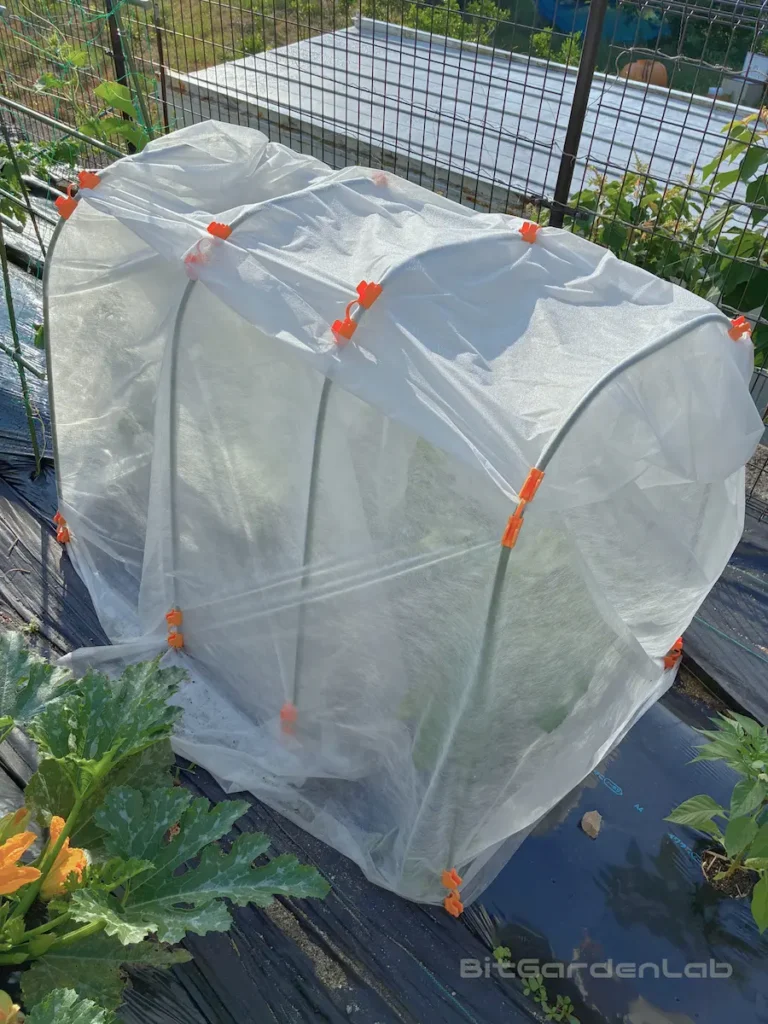
This cover is large enough to protect three seedlings at once.
Once Larger, Okra Becomes More Resistant to Pests
As okra grows, its stems become thicker and the leaves grow larger, making the plant much more robust.
These plants have now grown enough that I felt comfortable removing the cover.
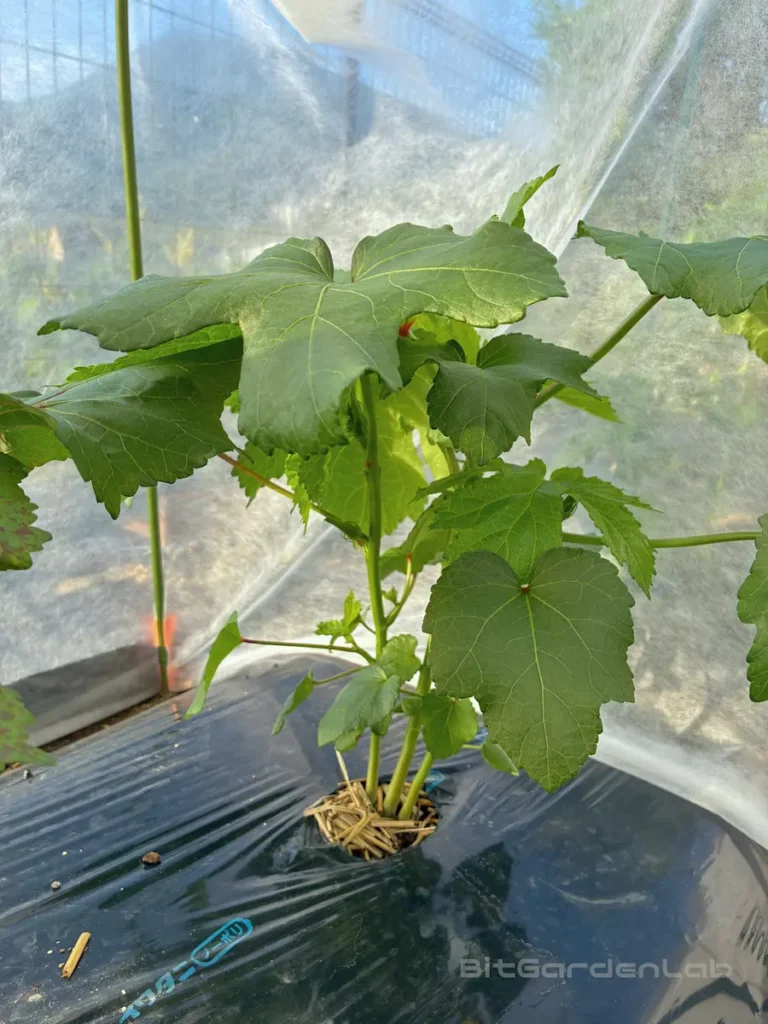
The stems are now thick, and the leaves have spread out beautifully.
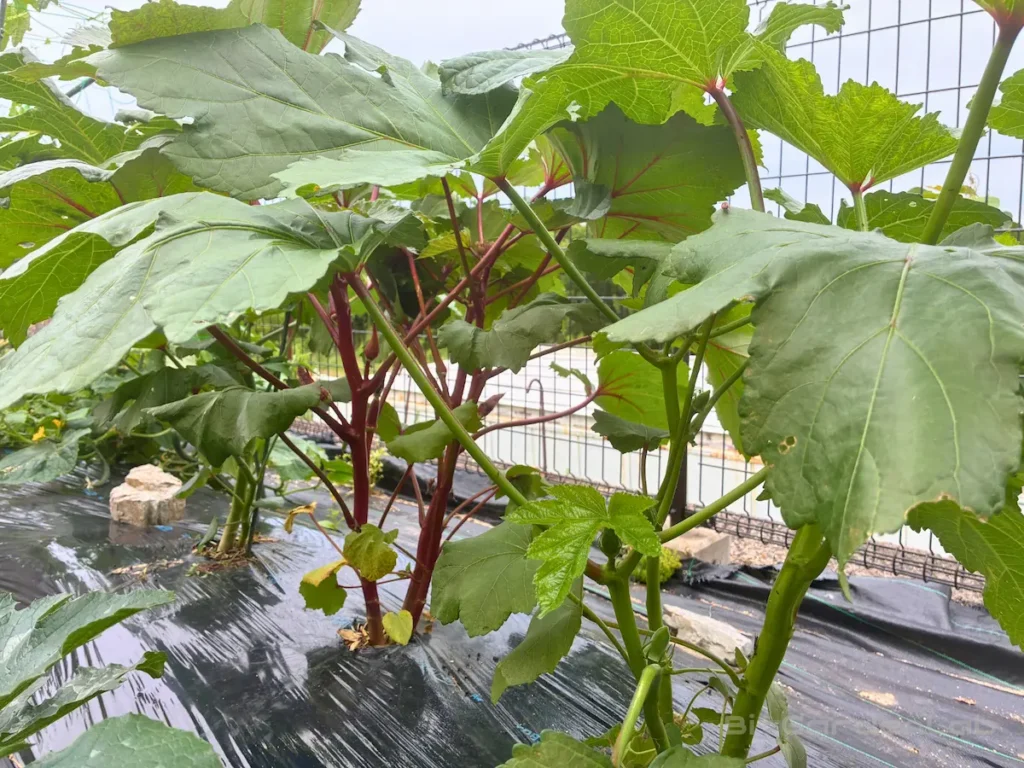
At this stage, there is no longer a need to be as cautious as during the first few weeks after planting.
Recently, We Grow Three Plants Together Without Thinning
A typical okra pot usually contains about three seedlings.
The standard recommendation is to thin them out and leave only the strongest plant.
In our garden, however, we have recently stopped thinning them and grow all three plants together.
The yield per individual plant is slightly lower.
Even so, there are some advantages:
- The total harvest from the group increases.
- The amount harvested is ideal for household consumption.
These benefits make the method worthwhile for us.
I recommend this approach for families that eat okra regularly.
Harvest Season Is Busier Than You Might Expect
Okra requires relatively little attention while it is growing.
Things change once the plants begin producing pods.
After harvesting a pod, the leaves below that position should be removed one by one.
This improves airflow and makes harvesting easier.
A delay of even a single day can allow pods to become oversized.
Oversized okra often becomes fibrous and tough, so daily checks are important.
Round Okra Is My Recommendation
We prefer growing round okra varieties.
Compared to the more common five-ridged varieties, round okra is:
- Softer
- Still enjoyable even when it grows larger
These are its main advantages.
Because it remains tender even if harvesting is slightly delayed, I think it is especially well suited for home gardens.
This year, I also planted one pot of red okra for the first time. I am looking forward to finding out how it tastes.
Don't Forget Regular Fertilization
Once fruit production begins, regular fertilization becomes important.
We apply additional fertilizer about once every two weeks, usually on weekends.
Since okra produces for a long period, we make sure the plants do not run short of nutrients.
An Essential Vegetable for Summer Meals
Okra is often considered an easy vegetable to grow, but it still requires some attention.
- Aphid protection after planting
- Leaf removal during harvest season
- Regular fertilization
These tasks can keep you busier than expected.
Even so, okra is worth the effort.
- Simple boiled dishes
- Okra mixed with natto
- Combinations with grated yam
It tastes great even in simple dishes.
It also helps combat summer fatigue, making it one of the vegetables we look forward to growing every year.
Low-Maintenance Rating
初期 ★★☆☆☆
If you do not use pesticides, aphid protection is essential.
Setting up supports and covering them with fabric may be challenging for beginners.
維持 ★★★☆☆
Once established, the plants grow with very little attention.
Basic watering and occasional checks are usually enough.
収穫 ★★☆☆☆
Once harvesting begins, you will need to stay on top of:
- Harvest
- Leaf removal
- Additional fertilization
on a regular basis.
Even in the morning, midsummer temperatures can make these tasks challenging.


Comment